CLINICAL OVERVIEW
Migraine Facts
Migraine is a neurological condition, not simply a severe headache. This overview covers what a migraine is, the four phases of an attack, and the main types recognised in clinical practice.
What is a Migraine?
A migraine is a neurological condition that causes recurring attacks of moderate to severe headache, often accompanied by other symptoms such as nausea, vomiting, and sensitivity to light, sound, or smells. Although many people think of migraines as “bad headaches,” they involve changes in brain activity and the nervous system that affect the entire body.
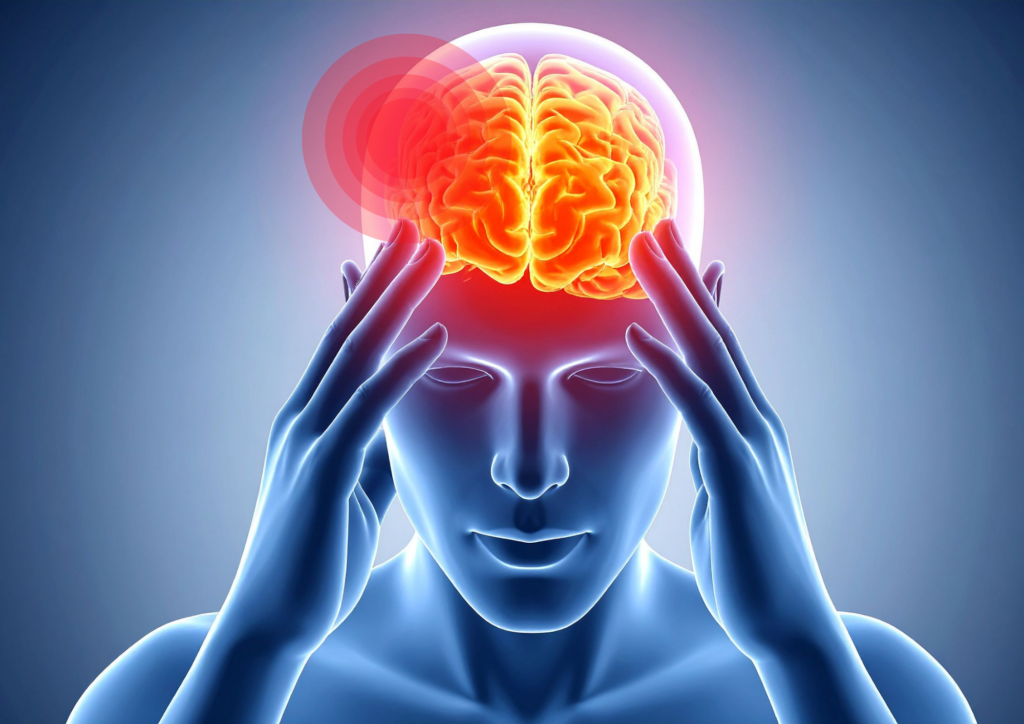
Migraines can significantly affect daily life, making it difficult to work, study, exercise, or enjoy social activities. While there is currently no cure, many people can successfully manage their migraines through lifestyle changes, trigger identification, and appropriate medical treatment.
Migraine attacks can last anywhere from 4 to 72 hours if left untreated. The frequency varies greatly between individuals—some people experience only a few attacks per year, while others have migraines several times each month.
The Four Phases of a Migraine
1. PRODROME
The prodrome is the earliest stage of a migraine attack and may begin several hours or even up to two days before the headache. Recognizing these early warning signs may help some people prepare or begin treatment early.
Common prodrome symptoms include:
- Fatigue
- Mood changes
- Irritability
- Difficulty concentrating
- Food cravings
- Increased thirst
- Frequent yawning
- Neck stiffness
- Constipation
- Increased sensitivity to light or sound
2. AURA
Aura occurs in only a portion of people with migraine and usually develops gradually over 5 to 60 minutes before the headache. Occasionally, aura can occur without a headache.
Aura symptoms are temporary and most commonly involve vision, but they can also affect sensation or speech.
Common aura symptoms include:
- Flashing lights
- Zigzag lines
- Blind spots
- Blurred vision
- Tingling in the face or hands
- Numbness
- Difficulty speaking
- Temporary weakness (rare)
Aura symptoms usually resolve completely before or during the headache phase.
3. HEADACHE
This is the main phase of the migraine attack.
Pain is often described as throbbing or pulsating and commonly affects one side of the head, although both sides may be involved.
Typical symptoms include:
- Moderate to severe headache
- Throbbing pain
- Pain worsened by movement
- Nausea or vomiting
- Sensitivity to light (photophobia)
- Sensitivity to sound (phonophobia)
- Sensitivity to smells
- Dizziness
- Difficulty concentrating
Without treatment, this phase may last between 4 and 72 hours.
4. POSTDROME
After the headache improves, many people enter the postdrome phase, sometimes called the “migraine hangover.”
Recovery may take several hours or up to a day.
Common symptoms include:
- Fatigue
- Difficulty concentrating
- Mental fog
- Mild head discomfort
- Mood changes
- Weakness
- Increased sensitivity to light or sound
Many people feel completely normal only after the postdrome has resolved.
Types of Migraine
Migraine with aura includes temporary neurological symptoms that occur before or during the headache.
Aura most commonly affects vision but may also involve speech, sensation, or movement.
Typical aura symptoms include:
- Flashing lights
- Zigzag patterns
- Blind spots
- Tingling or numbness
- Difficulty speaking
Aura symptoms usually last less than one hour and resolve completely.
Chronic migraine is diagnosed when headaches occur on 15 or more days each month for more than 3 months, with migraine features present on at least 8 of those days.
People with chronic migraine often experience:
- Frequent headaches
- Reduced quality of life
- Difficulty working or studying
- Increased sensitivity to triggers
Preventive treatment is commonly recommended.
Vestibular migraine mainly affects the balance system rather than causing severe head pain.
Symptoms may include:
- Vertigo (spinning sensation)
- Dizziness
- Loss of balance
- Motion sensitivity
- Nausea
- Light sensitivity
Some attacks occur without a significant headache.
Menstrual migraines are linked to hormonal changes, particularly the drop in estrogen around menstruation.
These migraines typically occur:
- Two days before a menstrual period begins
- During menstruation
- Shortly after menstruation starts
They are often more severe, last longer, and may be more difficult to treat than migraines occurring at other times.
This page is for general education and does not replace assessment by a qualified healthcare professional.